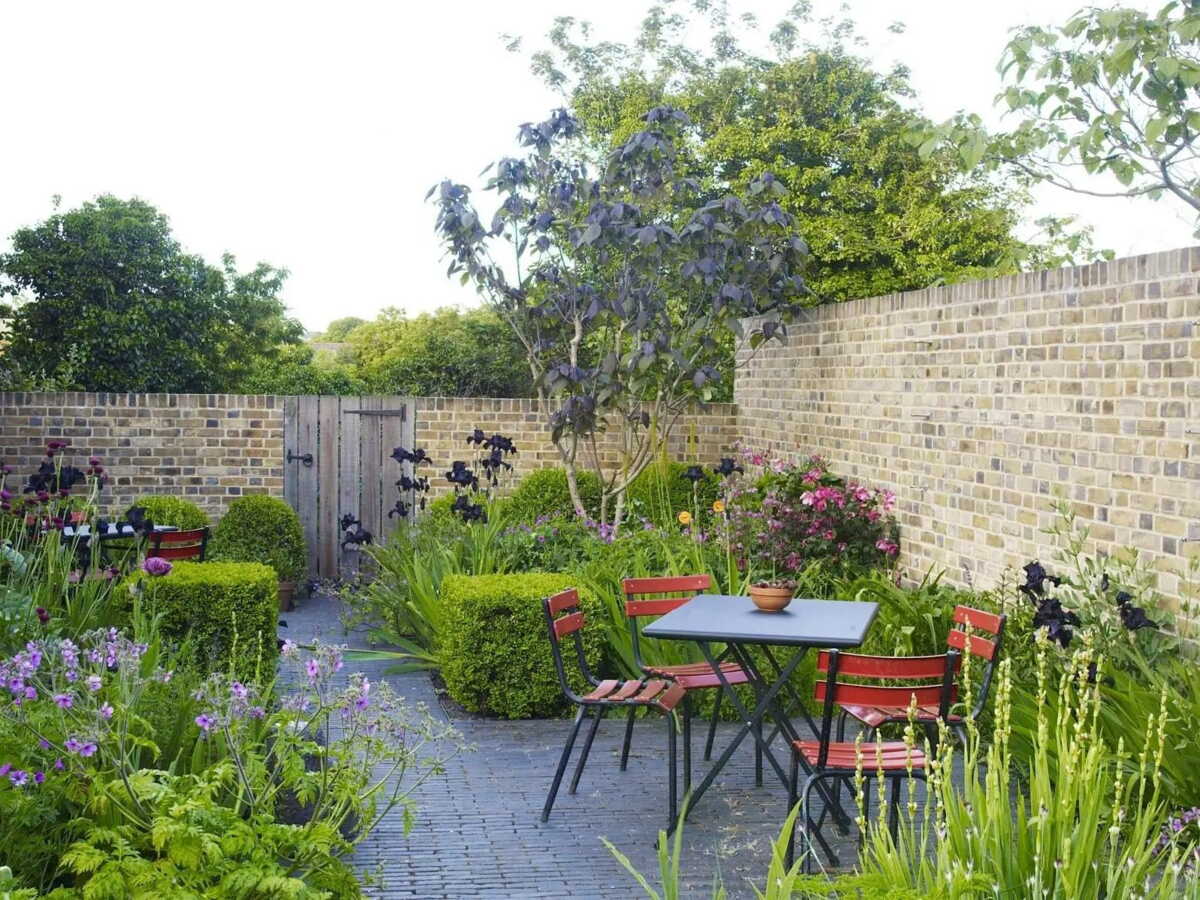
No garden, no soil, no space? These constraints are not obstacles — they are an invitation to garden differently, in height, in pots, in hanging baskets. A well-designed balcony or terrace can become one of the most vibrant, soothing and beautiful places in your home.
The urban challenge: Limited space, sometimes restrictive exposure, weight of containers, close neighbours — gardening at height requires thinking differently.
The immense freedom: Custom substrate, pot mobility, layered planting — the balcony offers total control that the ground-level gardener doesn't have.
Read your exposure first
Before buying a single pot, spend a day observing your balcony. Exposure is the factor that conditions absolutely everything. A full south balcony in midsummer can reach 50°C at ground level — a real oven for some plants. A north balcony stays cool but bright in summer. Each orientation has its champions.
Plants by exposure:
| Exposure | Suitable plants |
|---|---|
| ☀️ South / South-west | Tomatoes, peppers, lavender, bougainvillea, agapanthus, thyme, rosemary, sedums |
| 🌅 East (morning) | Strawberries, fuchsias, hostas, geraniums, nasturtiums, light ferns |
| 🌇 West (afternoon) | Roses, hibiscus, petunias, salvias, ornamental grasses, aromatic herbs |
| 🌥️ North / shaded | Ferns, hostas, impatiens, begonias, ivy, helxine, liriope |
"The sun doesn't lie. Observe it for a whole day before planting — it will tell you everything you need to know."
Think in layers: create depth
The big mistake on balconies is putting everything at the same level — a row of identical pots on the floor. To create a real sense of green space and depth, you need to think in vertical layers, from floor to ceiling.
The 5 planting levels:
- Level 5 (High, 5m+): Climbing plants on trellis — jasmine, clematis, beans, passionflower — create a living green wall.
- Level 4 (Suspended, 2-4m): Hanging baskets and elevated planters — tradescantia, trailing ivy, cascade petunias, spider plants.
- Level 3 (Middle, 1-2m): Large pots on stands, shelves, racks — tomatoes, herbs, container shrubs, grasses.
- Level 2 (Low, 30-80cm): Floor planters, standard pots — perennials, annuals, bulbs, ground covers, strawberries.
- Level 1 (Floor): Plant tiles, artificial grass, gravel — the floor itself can be dressed and greened.
Star plants for the balcony
Some plants are made for container life — robust, generous, decorative for a long time. Here's a balanced selection to flower from March to November.
- 🟣 Agastache: Flowering June–Oct. Very bee-friendly.
- 🌸 Pelargonium: Robust, colourful, low water needs.
- 🌿 Potted rose: Patio varieties very floriferous.
- 🟢 Bamboo in container: Natural screen, evergreen.
- 🌾 Stipa tenuissima: Fine grass, movement, lightness.
- 🫐 Blueberry: Beautiful and edible, acid-loving.
🌱 Aromatic herbs: Basil, chives, coriander, parsley, mint (isolate it!), thyme, rosemary — a useful and fragrant kitchen balcony all season long.
🦋 For biodiversity: Even at height, lavender, borage and marigolds attract bees and butterflies. Your balcony can become a stop in their pollination network.
Watering and substrate: the technical basics
Plants in pots are entirely dependent on you for their water and food — they have no access to groundwater and soil minerals. Two elements condition their health: the substrate and watering regularity.
- ✓ Choose a quality substrate: lightened potting mix with 20% perlite or pozzite for optimal drainage. Universal potting soil alone is often too heavy and compacts.
- ✓ All pots must have drainage holes. A saucer without holes turns the pot into a bathtub — roots suffocate.
- ✓ Water in the morning, at the base of plants. Residual water on foliage in full sun can burn leaves.
- ✓ A water reserve (20–50 L container collecting rainwater) or a solar drip system is a very worthwhile investment in summer.
- ✓ Fertilise regularly from March to September: organic liquid fertiliser every 15 days compensates for the rapid depletion of substrate in pots.
Create an atmosphere, not just decor
A successful balcony is not a collection of pots — it's a living space. The atmosphere is built with few elements: a coherent colour palette, a few materials (wood, terracotta, wicker), and light in the evening.
- ✓ Choose 2 or 3 flower colours and stick to them all season. A monochrome balcony (all white, all blue-mauve, all warm) is much more elegant than a rainbow.
- ✓ Fairy lights or solar lanterns: in the evening, warm light transforms any balcony into an enchanted space.
- ✓ One or two large pots rather than ten small ones: large containers have more visual impact, retain water better and allow real plant volumes.
- ✓ A plant screen (bamboo, tall grasses, wicker windbreak dressed with ivy) creates precious privacy and reduces the "aquarium" effect.
Your suspended oasis awaits
A balcony transformed into a garden is much more than an embellishment: it's a space for reconnecting with the living world in the heart of the city. A few well-chosen pots, regular attention, and you'll have a place to breathe, observe, smell — just steps from your sofa.
Start with three large pots, some aromatic herbs and a climber on a trellis. Observe, adjust, add. A balcony garden is built season after season — and each spring, it's more beautiful than the last. 🌿